
Browse this field: Test & Measurement
Product overview
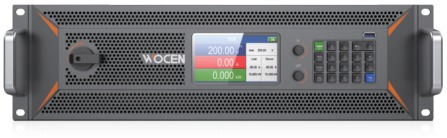
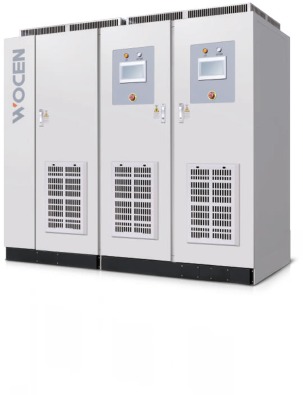
The HB range provides auto-ranging DC source and load operation in a rack arrangement. Its catalog includes battery and photovoltaic simulation functions. Specify the selected operating envelope and test interface; maximum voltage, current and power are separate model limits.
Specifications & ordering details
Use these parameters to define your requirement. The quotation confirms the exact supplied specification.
| System / method | Programmable power-test system |
|---|---|
| Catalog series | HB |
| Catalog family options | 100–1500 V; 5–30 kW; model dependent |
| Selection note | Voltage, current and power limits are model-dependent and not necessarily available simultaneously |
| Experiment or process requirements | Specify with your requirement. |
| Operating range and sample / DUT dimensions | Specify with your requirement. |
| Interfaces, options and included accessories | Specify with your requirement. |
Research applications
- Power-electronics testing
- Laboratory and industrial measurements
- Automated test integration
Before you order
- Provide rated and peak voltage, current and power.
- Specify AC input, regeneration and control interfaces.
- Confirm installation, cooling, protection and accessory scope.
Product documents
View the source catalog for this offering. Share your instrument model, configuration and application to request the relevant specification or material documentation.
View Test & Measurement Portfolio — page 7 ↗Download PDFSelection questions
How do I check the instrument interface?
Share the instrument make and model, sample geometry, optical or beam path, mounting arrangement and drawings. The cell and instrument interfaces must be reviewed together.
Which experimental conditions are needed?
Specify temperature, pressure, atmosphere or electrolyte, and electrical connections. Confirm sample access, windows, fittings and accessories for the selected method.
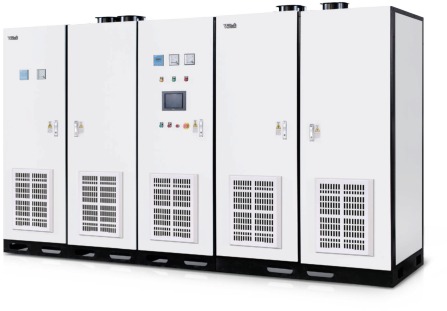 AP Shore Power Supply
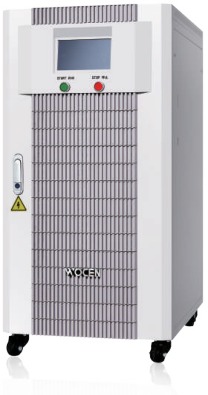 BP6 / BP7 Programmable AC Source
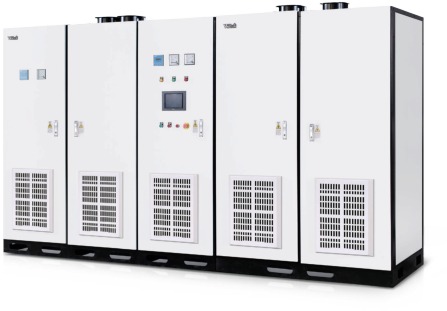 BPA Industrial AC Source
 EVWBT Dual-Channel DC Test Source