
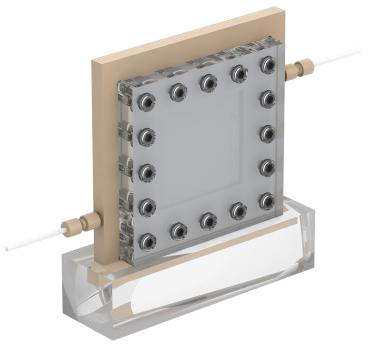
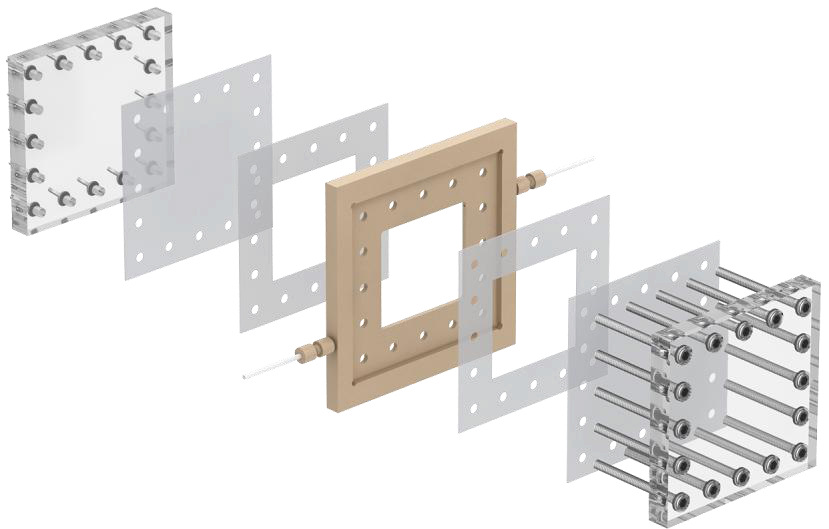
Product overview
The DQ-1 is a laboratory capacitive-deionization device for electrosorption and water-treatment research. The catalog identifies PMMA protective plates and a PEEK component measuring 140 × 140 × 10 mm. Define the electrode material, sealing and flow interfaces required by the experiment; desalination performance depends on the complete operating setup.
Specifications & ordering details
Use these parameters to define your requirement. The quotation confirms the exact supplied specification.
| Material / system | PMMA protective plates; PEEK component |
|---|---|
| Catalog model | DQ-1 |
| Protective plates | PMMA |
| PEEK component dimensions | 140 × 140 × 10 mm |
| Anode-to-cathode spacing | Less than 3 mm |
| Active area and flow-field design | Specify with your requirement. |
| Plate / current-collector materials | Specify with your requirement. |
| Connections and included accessories | Specify with your requirement. |
Research applications
- Capacitive deionization research
- Electrosorption electrode studies
- Laboratory desalination experiments
Before you order
- Specify the electrode material and dimensions.
- Provide the liquid flow and sealing requirements.
- Confirm the current-collection arrangement and included parts.
Product documents
View the source catalog for this offering. Share your grade, model and application to request the relevant specification or material documentation.
View Electrochemistry, Flow & MEA Systems — page 61 ↗Download PDFSelection questions
What should a custom enquiry include?
For DQ-1 Capacitive Deionization Cell, provide the active area, sample or electrode geometry, materials, interfaces and the operating conditions. Include drawings and identify every component in the assembly scope.
Are electrodes, membranes and accessories included?
Specify the parts required. Hardware, membranes, electrodes, gaskets, fittings and instruments should be identified separately in the quotation.
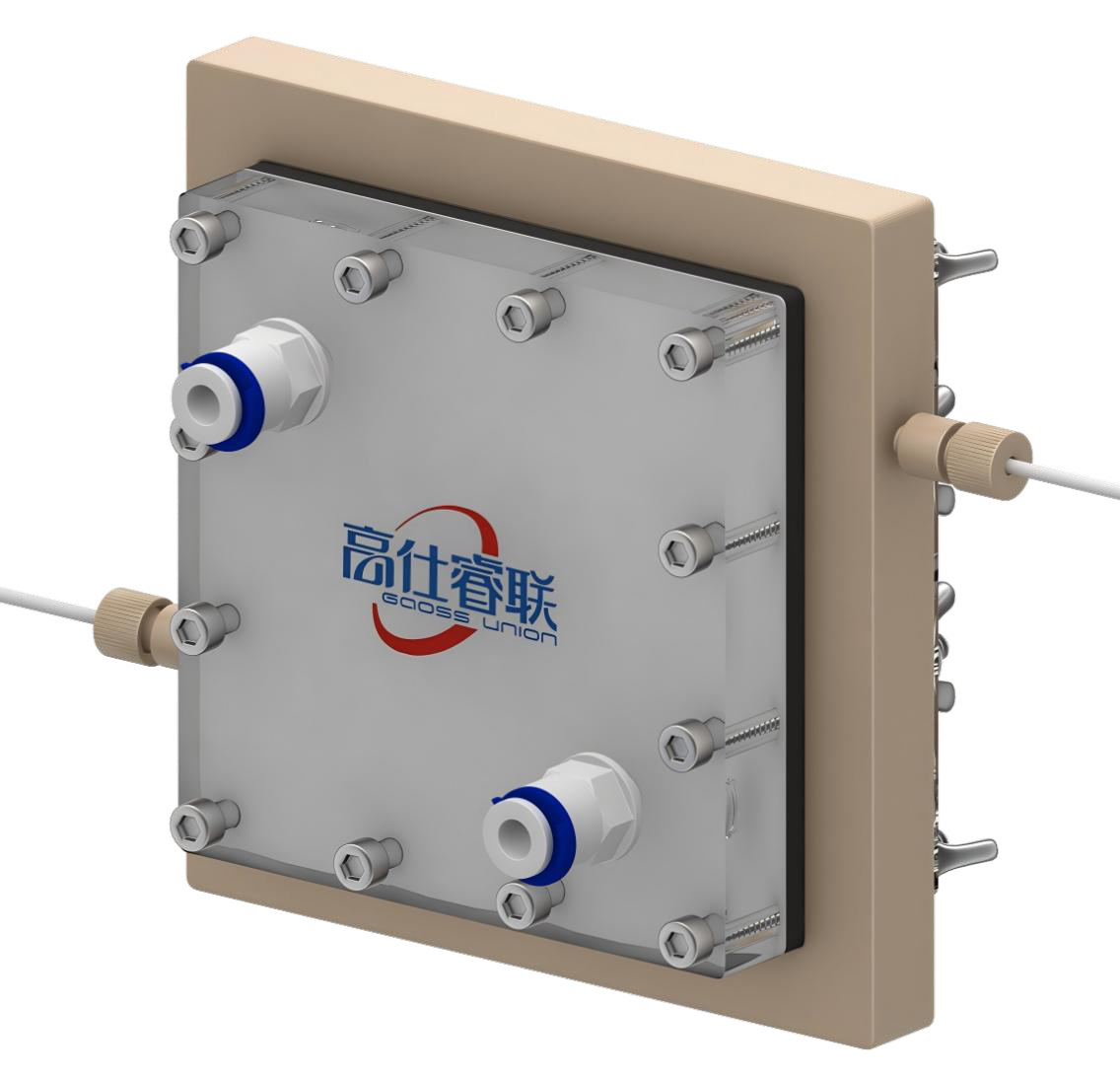 DQ-2 Capacitive Deionization Cell
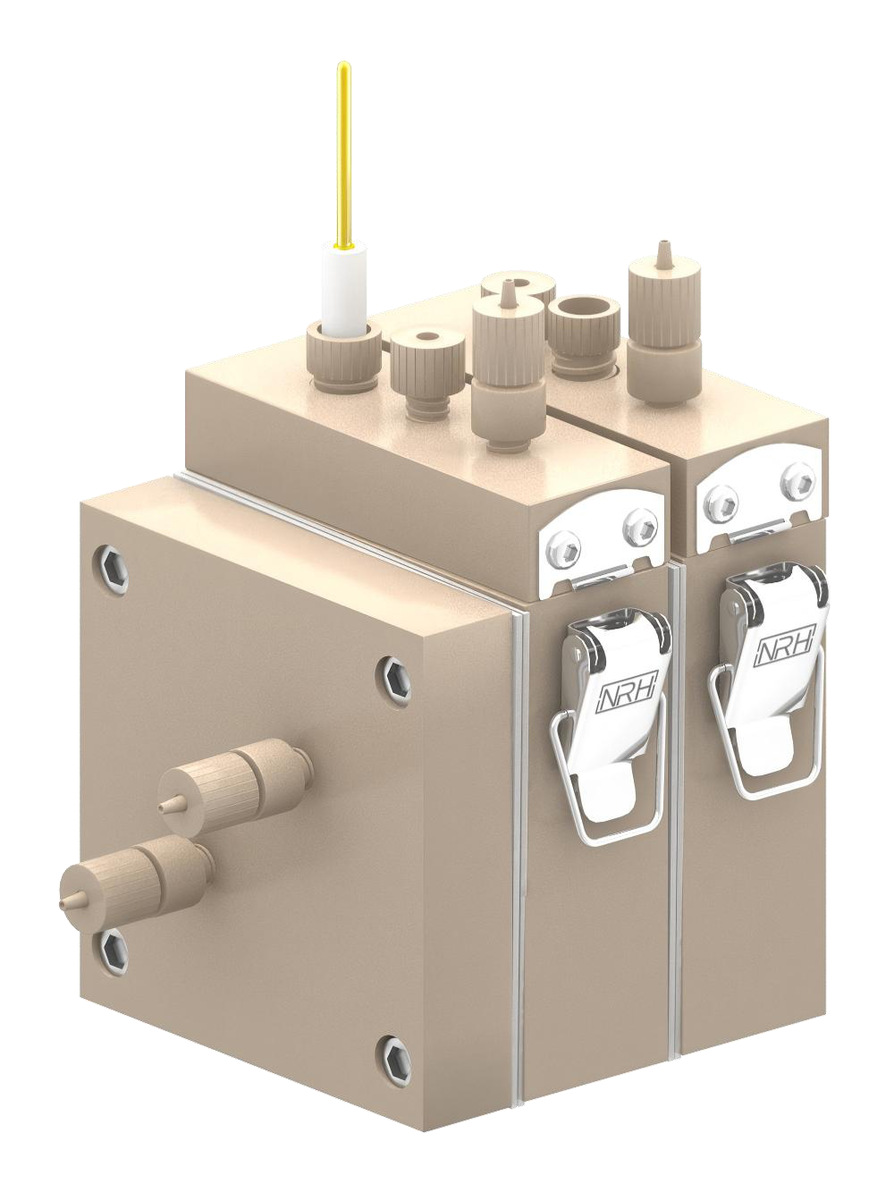 101014 Entry-Level Gas-Diffusion Cell
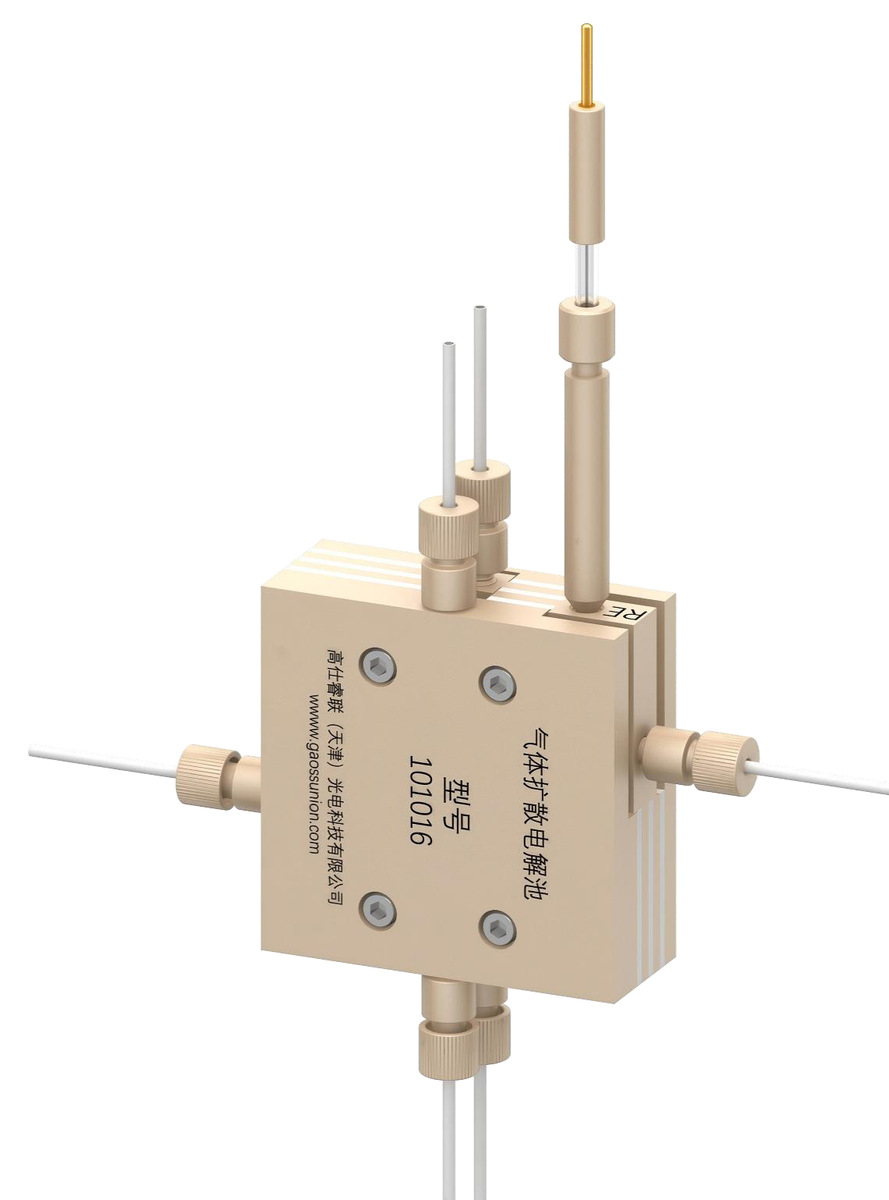 101016 Three-Chamber Gas-Diffusion Cell
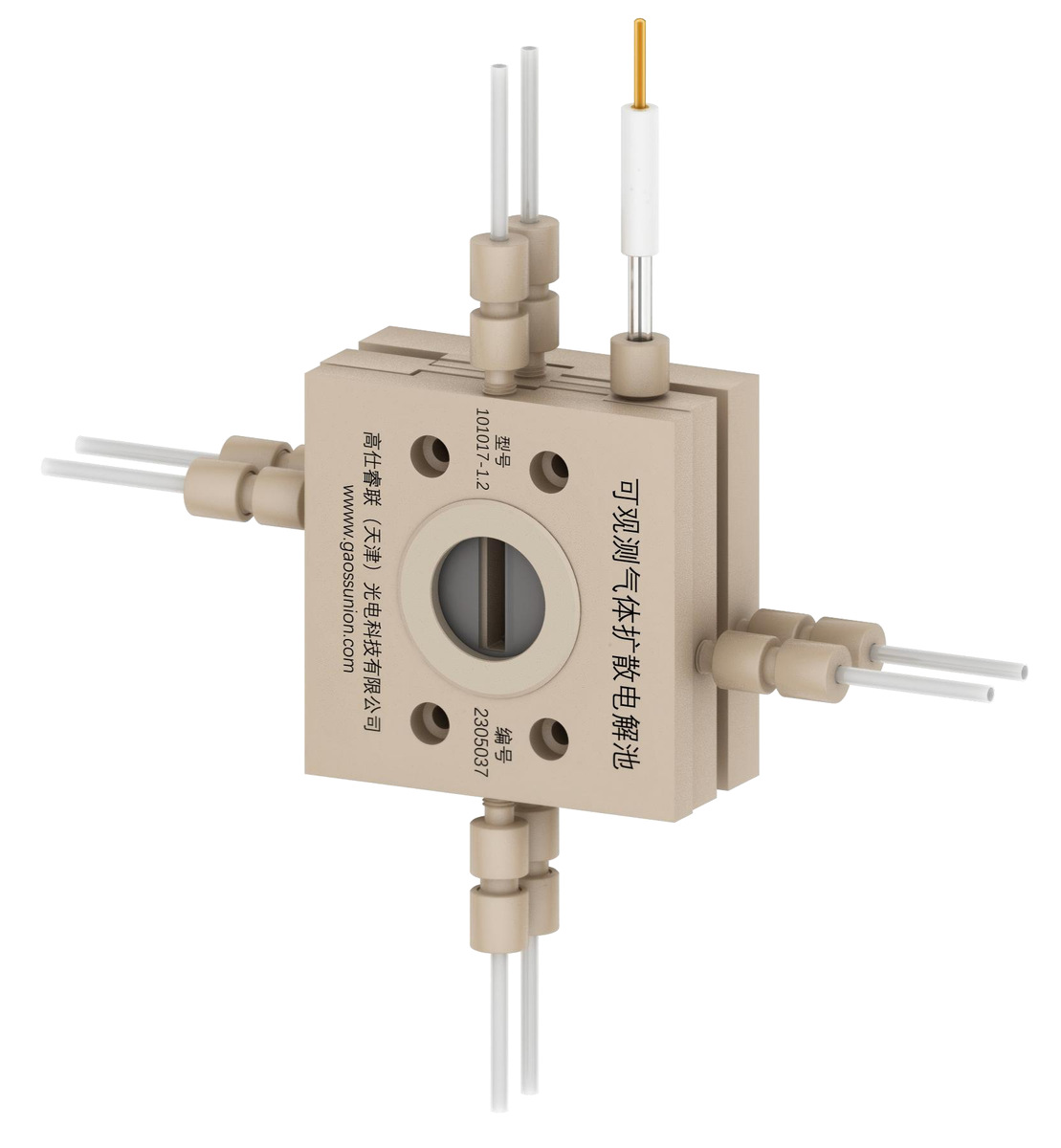 101017-1 Windowed Gas-Diffusion Cell